AC EV Charger Supplier for OEM/ODM Electric Vehicle Charging Products
Source AC charging products for electric vehicle projects from EV wallboxes and dual-gun charging stations to Mode 2 portable chargers, Mode 3 cables and EV charging connectors. Product options support procurement discussions around charging interface, power rating, cable type, socket type, app access and OCPP connectivity.
Core AC EV Charging Product Categories
Choose the product entry that matches your vehicle charging project, installation environment and connection requirements.
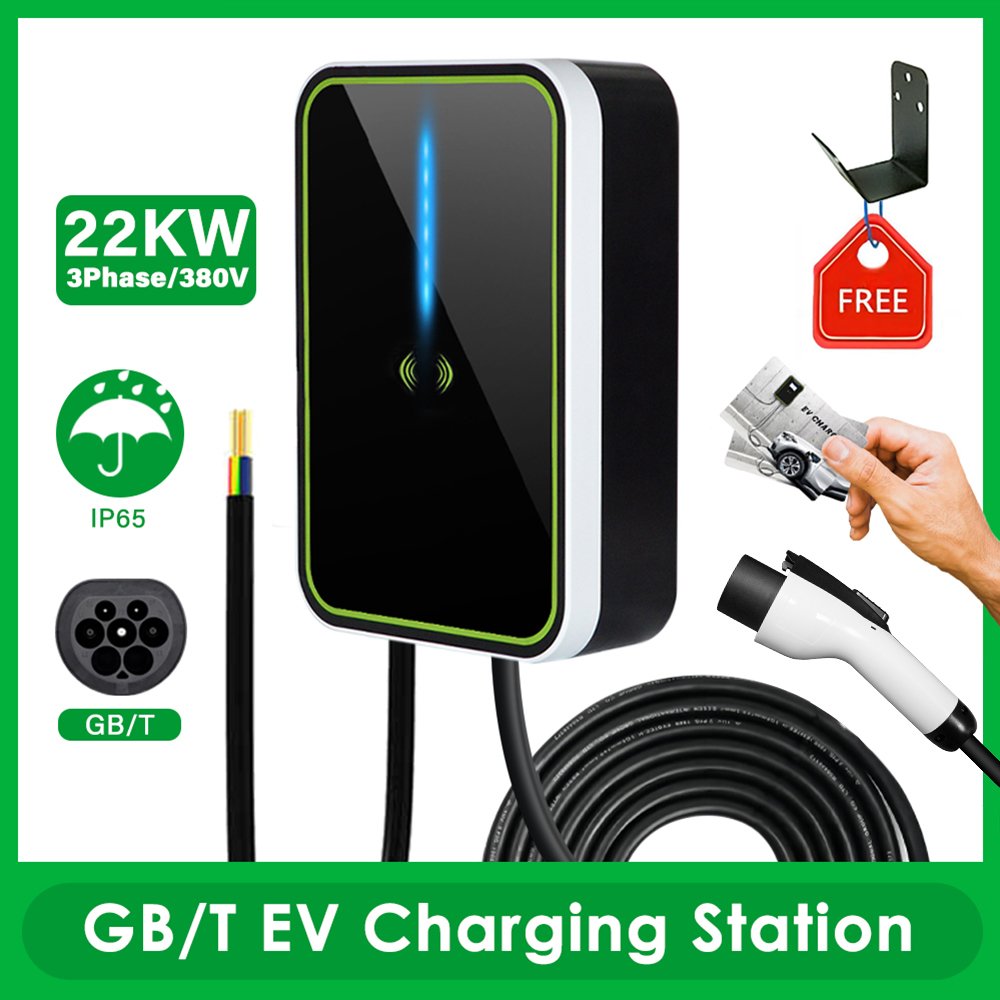
EV Wallbox Chargers
EV wallbox chargers are suitable for fixed AC charging points where buyers need to compare power rating, socket or cable version, display interface and network access. APP, RFID and OCPP options help projects align charger operation with user access and station management needs.
Explore EV Wallbox ChargersDual-Gun EV Charging Stations
Dual-gun charging stations fit commercial AC charging layouts that require two charging outlets from one station body. Buyers can review Type 2 socket or cable versions, LCD screen options, RFID access and OCPP configuration for parking, workplace and destination charging projects.
View Dual-Gun EV Charging StationsMode 2 Portable EV Chargers
Mode 2 portable chargers are used when the charging product needs a compact cable-based format with plug-side compatibility. Selection should consider output current, plug type, cable length, display information and protection features for the target vehicle and market.
Explore Mode 2 Portable ChargersMode 3 EV Charging Cables
Mode 3 charging cables support AC charging connections between vehicles and charging stations. Buyers can compare single-phase or three-phase versions, rated current, connector type and cable length for retail, replacement and equipment-supply requirements.
View Mode 3 EV Charging CablesEV Charging Connectors
EV charging connectors support product assembly, cable replacement and charging accessory programs. Key selection points include charging interface standard, connector structure, cable compatibility and the electrical rating required by the final charging product.
Explore EV Charging ConnectorsOEM/ODM Support for AC EV Charging Product Projects
For EV charging product programs, OEM/ODM discussions can cover product category, charging interface, power rating, plug or socket version, cable length, display configuration, user access method and communication options. Buyers can submit target market requirements, vehicle interface needs, branding expectations and product usage scenarios so the charging product can be discussed around real installation and procurement constraints.
Product Configuration
Discuss wallbox, portable charger, charging station, cable or connector requirements with key inputs such as rated current, single-phase or three-phase use, socket type, cable type and interface standard.
Connected Charging Options
Review APP, RFID, WiFi, 4G and OCPP requirements when the project needs user access control, remote status visibility or charging station management compatibility.
OEM/ODM Project Inputs
Provide product application, target market, charging connector standard, expected quantity range, branding needs and any existing specification files to support a focused project discussion.
How Buyers Can Specify AC EV Charging Products
AC charging projects usually need more than a product name. Interface standard, power rating, installation format, network access and cable structure all affect whether the charger fits the vehicle, site and operator workflow.
Charging Interface
Specify GB/T 20234, IEC 61851, SAE J1772 or Type 2 requirements according to the target vehicle and market. Connector and cable choices should match the charging station format and user environment.
Power and Phase
Compare single-phase and three-phase AC charging needs before selecting 7 kW, 11 kW, 22 kW or other available product configurations. The right choice depends on site power conditions and vehicle charging expectations.
User Access and Connectivity
APP, RFID, WiFi, 4G and OCPP options are relevant when the charger needs user identification, remote operation or station management integration.
Cable, Socket and Installation Format
Wall-mounted, freestanding, socket type, cable type and portable formats serve different parking, home, workplace and commercial charging scenarios.
About the AC EV Charging Product Supplier
The brand supplies AC electric vehicle charging products for buyers who need wallboxes, dual-gun charging stations, portable chargers, charging cables, connectors and OEM/ODM product support. The product range is built around practical procurement choices such as charging interface, power rating, cable format, socket format, display type and connected charging functions.
For distributors, charging equipment companies, project buyers and EV accessory programs, the homepage product structure is designed to help teams move from category selection to specification discussion without mixing chargers, cables and connectors into one unclear catalog.
Where These AC Charging Products Fit
Different AC charging products serve different procurement roles, from fixed charger installation to accessory supply and branded EV charging programs.
Residential and Private Parking Charging
EV wallbox chargers and Mode 2 portable chargers fit projects where compact installation, cable format, user access and basic charging status visibility are important selection factors.
Commercial Parking and Destination Charging
Dual-gun charging stations and OCPP-capable charger options support site operators who need to discuss user identification, station connectivity and charging outlet layout.
EV Accessory and Replacement Programs
Mode 3 charging cables and EV charging connectors are suitable for accessory supply, replacement cable programs and product bundles where connector type, rated current and cable length guide the purchase.
OEM/ODM Charging Product Programs
OEM/ODM discussions can connect product category, target market, charging standard, branding needs and configuration preferences before buyers request samples or quotations.
Specification-Led Product Discussions
EV charging buyers can compare product options through visible specification points such as power rating, charging interface, output current, cable length, display format, connectivity option and installation format. This helps procurement and engineering teams ask focused questions before moving into quotation, sample or OEM/ODM discussion.
- Product categories are separated by charger body, portable cable format, charging cable and connector use.
- Interface and connectivity choices can be discussed around GB/T, IEC, SAE, Type 2, APP, RFID and OCPP requirements.
- Project inquiries should include target market, vehicle interface, installation format and expected product role.
Send Your AC EV Charging Product Requirements
Share the charging product category, target market, interface standard and configuration needs for your EV charging project. The inquiry can support quotation discussion, product selection and OEM/ODM requirement review.
Helpful inputs include product type, power rating, connector standard, socket or cable preference, connectivity needs, branding requirements and any specification file.
Zhou Shi Town, Kunshan City